Applies to: IntelliDOCK 9555 (9555ID) in an already installed system with the original Iridium 9555. This is not PotsDOCK, DriveDOCK or an Iridium 9575 cradle. The 2015 manual does not establish compatibility with the newer USB-C 9555; confirm that separately with Beam or your supplier.
Match your symptom
| What you see | What to do next |
|---|---|
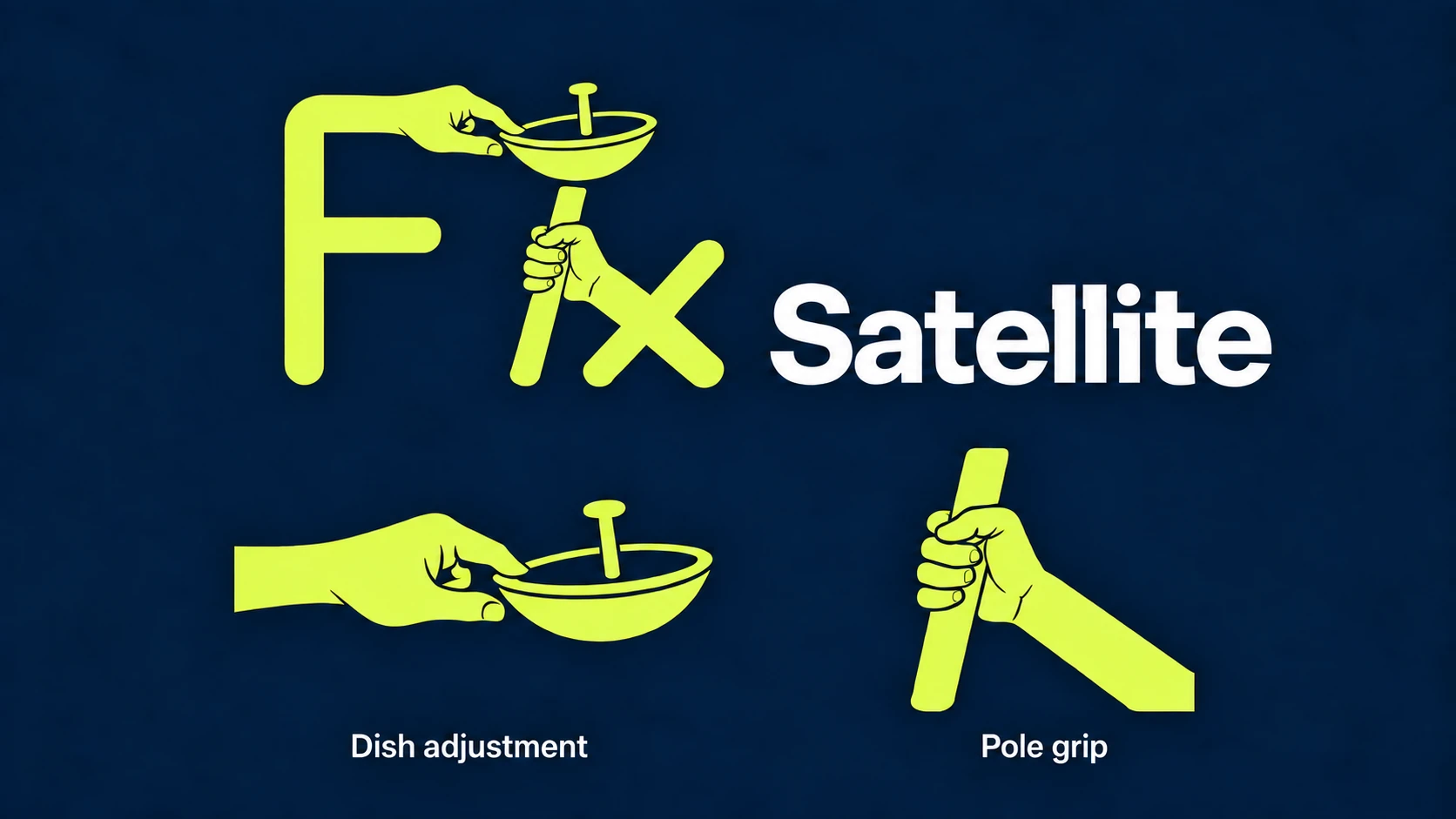
| Handheld works; docked registration fails | For this cradle, the handbook places the phone’s base in the seat, then uses EJECT while pressing the phone into the latch. The rear external-antenna rubber cover must not block the dock contact and the handset antenna is retracted when docked. Do not force a misaligned connector or poke the spring RF contact. Have worn or damaged contacts serviced. |
| Red/green charging light or no audio | Charging uses the dock’s base connector; do not attach a second charger to the handset’s side power port while docked. A deeply discharged battery can trigger a red/green ringer indicator and an initial charging sequence, including a ten-minute cycle. Repeated removal restarts that sequence. Keep within the manual’s 0–40°C battery charging limits and stop for unusual heat. |
Work through these checks
Compare the same handset safely
Park safely and end any active call. Compare the phone in handheld mode outdoors with the docked result. Use EJECT to release it rather than pulling it free. Extend the handset antenna and power it on after removal. If handheld registration works but docking fails, the dock, external antenna path or compatibility needs investigation.
What the result means: For this cradle, the handbook places the phone’s base in the seat, then uses EJECT while pressing the phone into the latch. The rear external-antenna rubber cover must not block the dock contact and the handset antenna is retracted when docked. Do not force a misaligned connector or poke the spring RF contact. Have worn or damaged contacts serviced.
Recognize the charging sequence
Charging uses the dock’s base connector; do not attach a second charger to the handset’s side power port while docked. A deeply discharged battery can trigger a red/green ringer indicator and an initial charging sequence, including a ten-minute cycle. Repeated removal restarts that sequence. Keep within the manual’s 0–40°C battery charging limits and stop for unusual heat.
What the result means: A docked charging fault does not prove the satellite account is inactive; note power and registration separately.
Separate audio from signal
If the call connects but audio is missing, check the intended route. The optional privacy handset takes priority while out of its cup; return it when unused. A red Mute light during a call means your microphone is muted; press Mute once to clear it. A Bluetooth connection is different from satellite registration.
What the result means: Do not change vehicle wiring, fuses, antenna cabling, distress settings or firmware as a trial. Leave external RF work and compatibility checks to an installer. Stop for damaged contacts, liquid, battery swelling or excessive heat. Never use an emergency call as the comparison.
When to stop and get help
Do not change vehicle wiring, fuses, antenna cabling, distress settings or firmware as a trial. Leave external RF work and compatibility checks to an installer. Stop for damaged contacts, liquid, battery swelling or excessive heat. Never use an emergency call as the comparison.
What to tell support
Save privately the dock label, handset revision, firmware information already available, battery state, LED behavior and handheld/docked comparison. Share identifiers only with your supplier.
Common questions
Should I change the dock firmware immediately?
No. Ask Beam to match the dock and handset versions first. A handset downgrade, message deletion or factory reset is not a harmless diagnostic step.
Original troubleshooting guidance based on the official sources below. Menu names can change. This is an independent guide, not a manufacturer service bulletin or a bench-tested repair.